Geographic Targeting
Overview
Geographic targeting is one of OnPitch's most powerful features for building and engaging your audience effectively. By understanding where your fans are located, you can send more relevant messages, plan events strategically, and build stronger local communities while expanding globally. This lesson covers how location data is collected, how to use geographic insights, and how to target your communications based on location.
What You'll Need
- Active OnPitch account with subscribers
- Basic understanding of your target markets and touring plans
- Access to your dashboard for geographic insights
How Geographic Data is Collected
1. Automatic Location Detection
OnPitch collects location information through multiple methods to provide accurate geographic insights.
Primary data sources:
- IP-based detection: Visitor location when they access your fan portal
- User-provided location: City selection through Google autocomplete
- Carrier information: Phone number area codes for SMS subscribers
2. Location Data Accuracy
Understanding the accuracy levels helps you make better targeting decisions.
Accuracy levels:
- Country: 95%+ accuracy from IP detection
- State/Region: 85-90% accuracy from IP and user input
- City: 70-80% accuracy, highest when user-provided
Understanding Your Geographic Distribution
1. Audience Distribution Analytics
Your dashboard provides comprehensive geographic insights about your subscriber base.
Available geographic analytics:
- Country distribution: Percentage of subscribers by country
- State/region breakdown: Detailed view within countries
- City concentrations: Top cities where your fans are located
- Growth patterns: How your geographic reach is expanding over time
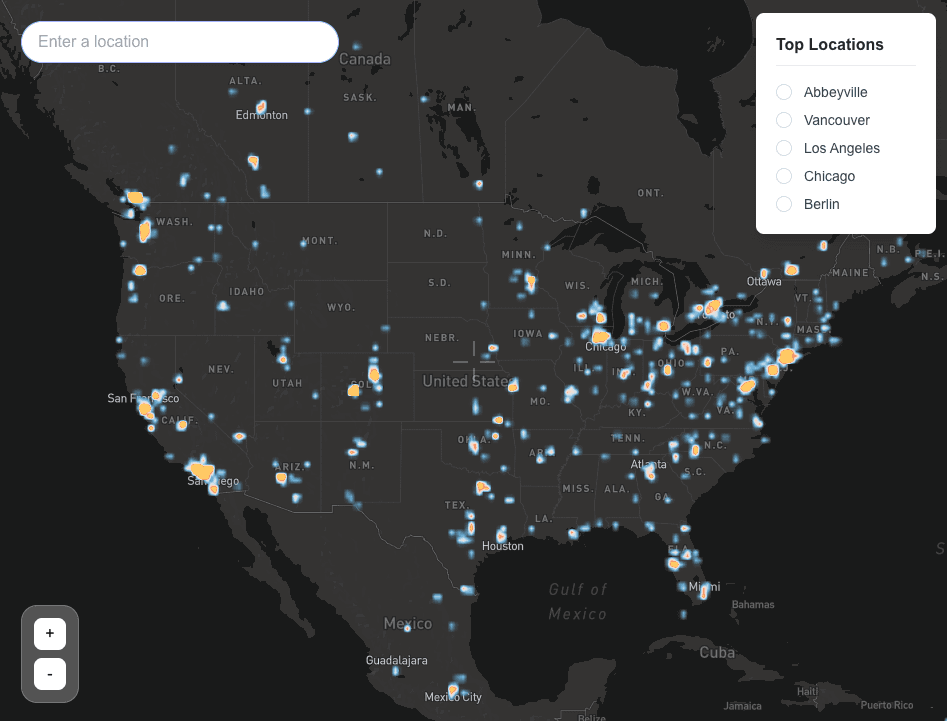
Key metrics to monitor:
- Concentration vs spread: Are fans clustered in specific areas or distributed widely?
- Growth trends: Which regions are growing fastest?
- Engagement patterns: Do certain locations engage more with your content?
- Tour planning data: Where do you have enough fans to justify events?
2. Interactive Map Features
OnPitch provides interactive maps to visualize your audience distribution.
Map visualization features:
- Heat map overlay: Shows subscriber density with color intensity
- Zoom capabilities: From global view down to city level
How to use the map:
- Start with global view to see overall distribution
- Zoom into regions with high subscriber density
Geographic Targeting Strategies
1. Event and Tour Promotion
Use geographic data to promote events where your fans are located.
Event targeting approaches:
- City-specific announcements: Target only fans in the event city
- Regional promotion: Include surrounding areas within driving distance
- Multi-city tours: Announce tour dates to fans in each city
- Demand-based planning: Plan events where you have the most fans
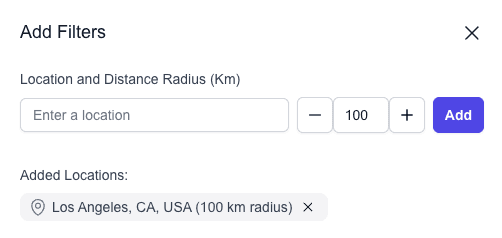
Targeting radius options:
- Custom radius: Define specific distance from event location
Expected result: Higher event attendance because only relevant fans receive announcements.
2. Location-Relevant Content
Send messages that are geographically relevant to increase engagement.
Location-relevant content examples:
- Weather-related: "Stay warm out there, Chicago fans!"
- Local events: Mention local festivals, sports teams, or news
- Regional touring: "Can't wait to see our West Coast fans next month"
- Time zone appropriate: Send messages at optimal local times
Content personalization by region:
- Cultural references: Use local slang, landmarks, or cultural touchstones
- Local partnerships: Mention local venues, radio stations, or businesses
- Regional exclusives: Offer location-specific content or early access
- Community building: Connect fans in the same area with each other
Why this works: Fans feel more connected when content acknowledges their specific location and local context.
3. Market Expansion Strategy
Use geographic insights to identify and expand into new markets.
Expansion identification:
- Organic growth patterns: Where are new fans coming from naturally?
- Underserved markets: Large cities with few subscribers but potential
- Regional clusters: Areas with growing fan bases that could support events
- International opportunities: Countries showing subscriber growth
Market development tactics:
- Targeted advertising: Focus ad spend on high-potential geographic areas
- Local partnerships: Connect with venues, promoters, or influencers in target markets
- Regional content: Create content that appeals to specific geographic markets
- Tour planning: Schedule events in markets with growing fan bases
Expected result: Strategic expansion into markets with the highest potential for fan growth and engagement.
Advanced Geographic Features
1. Time Zone Optimization
OnPitch provides you scheduling options so messages are delivered when they are most effective.
Best practices for time zone targeting:
- Business hours: Send promotional messages during local business hours
- Evening engagement: Personal updates work well in early evening local time
- Weekend timing: Event announcements perform well on weekend mornings
- Avoid late night: Respect local sleep schedules to maintain positive relationships
2. Seasonal and Climate Targeting
Use geographic location to send seasonally appropriate content.
Seasonal targeting opportunities:
- Weather-appropriate content: Summer festival announcements to northern hemisphere fans in June
- Holiday timing: Adjust holiday messages for different cultural calendars
- Seasonal touring: Promote summer outdoor shows to appropriate climates
- Regional seasons: Acknowledge different seasons in northern vs southern hemispheres
Measuring Geographic Targeting Success
1. Performance Metrics
Track how geographic targeting improves your communication effectiveness.
Key performance indicators:
- Engagement rates by location: Which areas respond best to your messages
- Event attendance correlation: How geographic targeting affects event turnout
- Unsubscribe rates: Whether location targeting reduces opt-outs
- Growth patterns: How targeting affects subscriber acquisition in different areas
Benchmarks to track:
- Open rates: Should be higher for geographically relevant content
- Click rates: Location-specific calls-to-action typically perform better
- Conversion rates: Event announcements should convert better with geographic targeting
- Retention rates: Fans receiving relevant content are less likely to unsubscribe
2. Optimization Strategies
Use performance data to improve your geographic targeting over time.
Optimization approaches:
- Refine targeting radius: Adjust geographic boundaries based on response rates
- Content localization: Increase local references in high-performing markets
- Timing adjustments: Fine-tune send times for different geographic regions
- Channel preferences: Some locations may prefer SMS while others prefer email
Troubleshooting Geographic Issues
1. Inaccurate Location Data
If location data seems incorrect for some subscribers:
Common causes and solutions:
- VPN usage: Some fans may appear in different locations due to VPN services
- Mobile vs desktop: Different devices may report different locations
- User input errors: Fans may enter incorrect city information
- IP detection limitations: Some ISPs route traffic through distant servers
2. Low Engagement in Specific Regions
If certain geographic areas show lower engagement:
Possible causes:
- Cultural differences: Content may not resonate with local culture
- Language barriers: Even English-speaking regions may have different preferences
- Time zone issues: Messages may be arriving at poor local times
Solutions to try:
- Research local culture and preferences for those regions
- Adjust messaging tone and content for different markets
- Test different send times for underperforming regions
- Consider partnering with local influencers or venues
Next Steps
With geographic targeting mastered, you're ready to explore contact method preferences to further optimize how you reach different segments of your audience based on both location and communication preferences.